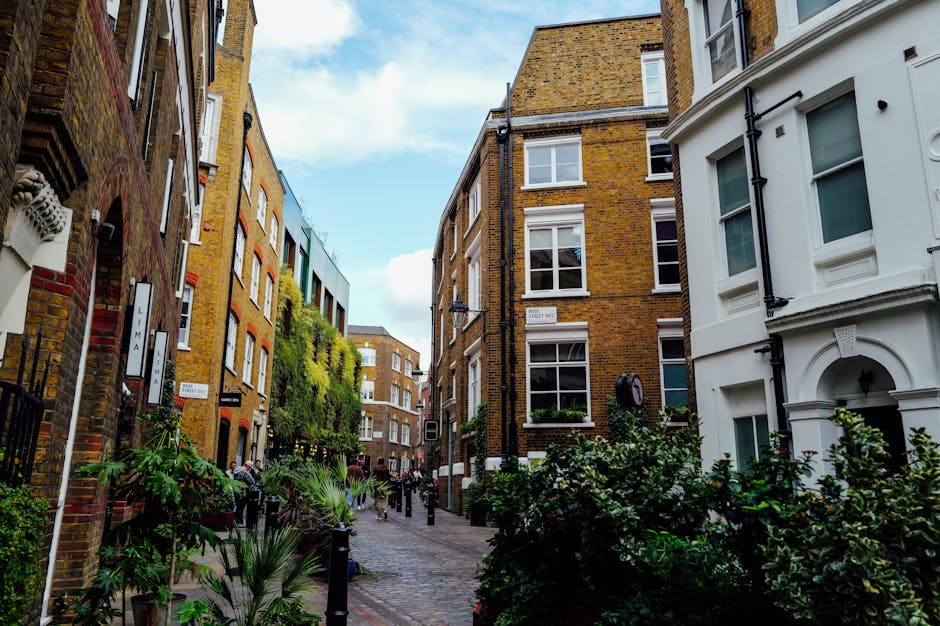
Belgravia Removals Westminster Tips for Narrow Street Access
If you are planning a move in Belgravia, you already know the streets can be beautiful and a bit unforgiving. Tall townhouses, tight mews, parked cars, delivery vans, low branches, awkward corners, and the occasional "where on earth do we put the lorry?" moment can turn a straightforward move into a logistical puzzle. That is why Belgravia removals Westminster tips for narrow street access matter so much. A good move here is not just about lifting boxes; it is about timing, vehicle choice, loading strategy, and making sure the whole thing fits the street before the first wardrobe even reaches the pavement.
This guide walks through the practical side of moving in narrow Westminster streets, with real-world advice for houses, flats, and office moves. You will find planning steps, common mistakes, comparison points, and the sort of on-the-ground details that save time on moving day. To be fair, a little preparation in this part of London goes a very long way.
Why Belgravia removals Westminster tips for narrow street access Matters
Belgravia is one of those places where the address can look calm on paper and then become surprisingly tricky once a removal van arrives. Many streets are narrow, lined with parked vehicles, and busy with residents, tradespeople, and hotel or embassy traffic. Even a small delay at the kerb can ripple through the rest of the day. Drivers may need to wait for a gap, reverse carefully, or position the vehicle a short distance away from the front door. That all sounds manageable, until you realise your sofa does not enjoy a long carry in the drizzle.
Narrow access affects more than convenience. It changes the size of vehicle you should use, whether a parking bay is needed, how many movers are required, and whether large items should be dismantled before the team arrives. It can also affect the route from the property to the vehicle. In a place like Westminster, a few extra metres can matter, especially if lifts are small or staircases are steep and turn sharply halfway up.
In practical terms, this is where planning earns its keep. A move that ignores access details can end up costing more time, causing stress, and increasing the chance of damage to furniture, walls, or door frames. By contrast, a move planned for the street and the property tends to feel calm and controlled. That is the goal. Not perfect, just properly thought through.
For customers comparing service options, it can also help to look at the type of support available across broader moving needs, such as general removals, house removals, or a smaller man and van setup when access is tight and the load is modest.
How Belgravia removals Westminster tips for narrow street access Works
The basic principle is simple: match the move to the street, not the other way round. In a narrow-access area, the moving plan needs to account for the vehicle size, parking options, loading distance, access to the property, and the volume of belongings. A good mover will ask the right questions early. Which street is it? Are there loading restrictions? Is there a courtyard or mews entrance? Can a larger vehicle actually turn safely? Does the property have basement access or a small lift?
Here is how the process usually works when it is handled properly:
- Initial assessment - The moving team gathers access details, item lists, and timing requirements.
- Vehicle planning - They decide whether a van, a larger removal vehicle, or a combination makes sense.
- Parking and loading strategy - The team plans how close the vehicle can get, where it can safely wait, and how loading will be staged.
- Packing and protection - Furniture, fragile items, and doorways are prepared so the carry is as smooth as possible.
- Move day execution - Items are moved in the most efficient sequence, usually with larger objects handled first while the route is clear.
There is often a temptation to think, "It is only one street, how difficult can it be?" Then a van meets a blocked corner, a delivery truck, and a resident's car parked too close to the curb. You do not need drama to have a difficult move; you only need poor planning. A simple access review changes the whole picture.
If you are moving out of a flat, it may be worth reviewing dedicated support such as flat removals, or, for larger household jobs, a full home move. That way the service matches the property, not just the postcode.
Key Benefits and Practical Advantages
The biggest benefit of proper access planning is simple: fewer surprises. But let's break that down, because the smaller advantages matter too.
- Less delay at the curb - A pre-planned loading point reduces waiting time when streets are busy.
- Lower damage risk - Fewer awkward carries mean less chance of scraping furniture or walls.
- Better vehicle choice - A van or smaller truck can be selected for the street, not just the property size.
- Smoother timing - You can plan around school run traffic, morning rush, or neighbourhood restrictions.
- More accurate pricing - Good access details help avoid day-of changes that often create extra costs.
- Less physical strain - Shorter, safer carries are easier on everyone involved.
There is also a reassurance factor that people do not always mention. When you know the vehicle will fit, the team has a loading plan, and the access route has been checked, you relax a bit. The move becomes a task, not a gamble. And honestly, that is worth a lot on a moving morning with half-open boxes everywhere and the kettle hidden somewhere you can never find.
For heavier or awkward items, this matters even more. A tight turn with a piano, large wardrobe, or antique cabinet is a different proposition from carrying standard boxes. If there are delicate items, specialist support may be wise, and it can be useful to review piano removals or furniture removals where the job needs a more careful handling approach.
Who This Is For and When It Makes Sense
This advice is especially relevant if you are moving from a townhouse, mansion flat, mews property, basement apartment, serviced flat, or any home where the street outside feels tight the moment a second vehicle appears. It is also relevant for small businesses and office teams that need to shift equipment in central Westminster without blocking the road for half the day.
In practice, narrow street access matters most when one or more of the following applies:
- The road is too narrow for two-way vehicle passing.
- Parking is limited, expensive, or controlled.
- The property is several floors up with no straightforward lift access.
- Large furniture has to be carried through a tight hallway or entrance.
- The move includes bulky or fragile items.
- You need to finish within a tight time window.
It also makes sense for anyone trying to choose between different service styles. A full team may be best for larger home moves or office removals, while a smaller vehicle and fewer movers may be enough for a compact flat, a few pieces of furniture, or a student move. If the load is modest but the access is awkward, a well-planned man with van arrangement can be a sensible fit.
Sometimes the issue is not the size of the property at all. It is the street. A one-bedroom flat on a tight Westminster lane can be harder to move than a larger home with easy driveway access. That surprises people. Quite often, that is the part they underestimate.
Step-by-Step Guidance
Here is a practical way to handle a Belgravia move where narrow access is part of the equation.
- Measure the access points
Check the width of doorways, hallways, stair turns, and any entrance gates. If there is a lift, note its size and whether large items can be moved inside safely. - Assess street conditions
Look at the street before moving day if you can. Note parked cars, one-way sections, traffic flow, and any obvious pinch points. If you cannot visit, take clear photos and measurements. - Break down the furniture list
Separate standard boxes from awkward items. Wardrobes, beds, mirrors, desks, and anything heavy should be listed clearly. This is where packing and boxes planning pays off. - Choose the right vehicle size
Do not assume bigger is better. A more compact van can often handle a narrow street more efficiently than a larger truck. In some cases, a smaller vehicle plus a shuttle arrangement makes more sense. - Book the right level of help
If the property is awkward or the load is heavy, use enough movers to keep carries short and controlled. Understaffing a difficult access job is a false economy, plain and simple. - Plan the load order
Items needed last at the destination should go in first, but the loading sequence also needs to work around size and fragility. Big, awkward items are often moved first while everyone is fresh. - Prepare the property
Protect floors, remove trip hazards, and keep pathways clear. In narrow hallways, even a misplaced umbrella stand can become a nuisance. - Stay flexible on the day
Traffic changes. Neighbours park differently. A lorry may block the best spot. Build some flexibility into the timing so the move can adapt without stress.
One small but important detail: keep phones charged and accessible. If a driver needs a quick instruction while circling the block, you want that conversation to happen immediately, not after ten missed calls and a bit of panic. Sounds obvious. Yet it is often the tiny stuff that gets people.
Expert Tips for Better Results
After enough moves in central London, a few patterns become obvious. These tips are the ones that make a real difference.
- Use the shortest carry route, not just the nearest parking spot. A slightly farther parking position with a clear straight path is often better than a closer space with a tight turn or step.
- Think in terms of "clearance," not just "fit." A van may technically fit down a street, but still be awkward to open, unload, or reverse safely.
- Protect your large items in advance. Narrow access often means more turning, pivoting, and edge contact. Good wrapping and padding reduce damage.
- Keep the building informed. If there is a concierge, managing agent, or neighbour who may be affected, tell them early. It avoids awkward moments.
- Allow time for stairwork. Narrow access inside the property can be just as limiting as the street outside. Tight turns on stairs can slow even a well-organised team.
- Ask about flexibility. If a vehicle cannot stay on the nearest road, can the team work from a nearby loading point? Small adjustments often solve the day.
In our experience, the best moves in Belgravia feel almost boring. That is a compliment. No frantic rushing, no guessing where the van should stop, no people standing in the street debating a sofa angle while neighbours watch from upstairs windows. Boring is good.
If your move is time-sensitive, it can also be wise to review same-day removals only if the access details are already clear. Same-day work and narrow access can be done, of course, but only when the plan is practical from the outset.
Common Mistakes to Avoid
Most access-related move problems are preventable. The mistake is usually not dramatic; it is just a small assumption that turns into a bigger issue later.
- Assuming the van can park directly outside. In Belgravia, that is not always realistic.
- Not measuring bulky furniture. A wardrobe that "should fit" is not the same as one that actually does.
- Leaving packing until the last minute. Rushed packing creates fragile stacks and slows loading.
- Booking a vehicle that is too large. Bigger can mean slower, harder to position, and more stressful overall.
- Forgetting about stairs, lifts, and internal corners. The street is only half the story.
- Not telling the movers about access restrictions. If they find out too late, the plan may need a rethink on the spot.
- Ignoring storage needs. If the new place is not ready, trying to force everything into a narrow-window move can be messy. A short-term hold in storage may be the safer option.
Another common oversight is assuming all removal companies work the same way. They do not. Some are better suited to larger house moves, some to apartment blocks, and some to awkward central London access. It is worth checking how their service is positioned, whether you are looking at broader removal services or more tailored property moves.
Tools, Resources and Recommendations
You do not need a box full of fancy kit to manage a narrow street move well, but a few practical tools make life easier.
- Measuring tape - Useful for doors, hallways, lift doors, and furniture dimensions.
- Phone camera - Take photos of access points, street width, parking signs, and awkward bends.
- Labels and marker pens - Clear labelling speeds up unloading and reduces confusion in tight spaces.
- Protective covers and blankets - Especially useful for furniture moved through narrow halls.
- Floor protection - Helps prevent scuffs where movers need to pivot repeatedly.
- Simple inventory list - Keeps the job organised and gives everyone a shared view of what is moving.
For homes with plenty of packing still to do, support from packing and unpacking services can reduce pressure. And if you know you want a smaller-footprint move, a removal van may be more practical than a larger vehicle that struggles with local access.
Recycling and responsible disposal also come into play when people are decluttering before a move. If you are clearing out broken furniture, old shelving, or items that will not make the trip, it may help to look at recycling and sustainability as part of the process. Less clutter means less to carry through a tight street. Nice and simple.
Law, Compliance, Standards, or Best Practice
In Westminster and the wider UK context, the practical side of access planning often sits alongside local parking rules, loading restrictions, building rules, and the general duty to operate safely and considerately. Exact requirements can vary by street and building, so it is best not to assume anything. If a loading bay, permit, or time restriction applies, that needs to be checked before the move rather than guessed on the day.
From a best-practice point of view, a professional move should also reflect sensible handling standards: clear communication, safe lifting, suitable vehicle choice, and insurance awareness. If furniture is valuable, heavy, or difficult to manoeuvre, it is reasonable to ask how the team manages damage prevention and whether the move is covered under their usual arrangements. A careful provider should be able to explain that in plain language.
It is also fair to expect a mover to work safely around the public, residents, and nearby vehicles. Narrow streets increase the risk of congestion and awkward interactions, so the right approach is calm, controlled, and mindful of others. No heroics needed. Just good practice.
If you want a clearer sense of the company's policies and safeguards, the pages on health and safety policy, insurance and safety, and terms and conditions are sensible places to look before booking.
Options, Methods, or Comparison Table
Different access situations call for different moving methods. The "best" option depends on load size, parking access, item fragility, and how far the carry is from the property to the vehicle.
| Method | Best for | Pros | Trade-offs |
|---|---|---|---|
| Small van move | Compact flats, lighter loads, tight streets | Easier to position, often quicker in narrow access | Limited capacity, may need more careful packing |
| Man and van | Smaller house loads, student moves, partial moves | Flexible, efficient, often ideal for short carries | May not suit very large furniture or big volumes |
| Full removal team | House moves, multi-room flats, complex access | More hands for stairs, lifting, and protection | Usually more coordination required |
| Shuttle approach | Very restricted streets where large vehicles cannot wait nearby | Can solve difficult access problems | Takes extra time and careful coordination |
| Storage plus staged move | When completion dates do not match or access is too limited on one day | Flexible and reduces pressure | Requires planning and an extra handoff |
For smaller household or student moves, student removals can be especially useful when the load is light but the access is a little awkward. For businesses, a more structured service such as commercial moves or office relocation services may be the better match.
Case Study or Real-World Example
Here is a realistic example. A customer moving from a Belgravia upper-floor flat had a beautiful staircase, but not one you would call forgiving. The street outside was narrow, with parked cars on one side and intermittent deliveries on the other. A large vehicle would have been awkward, and parking immediately outside was not guaranteed.
The solution was straightforward but not improvised. The movers used a smaller vehicle, confirmed the route from the flat to the street, and pre-packed the heaviest items so they could be handled first. A dismantled bed frame and a few oversized pieces were wrapped and loaded before the softer boxes. The team avoided repeated back-and-forth on the stairs, kept the corridor clear, and finished without having to block the road for long. Nothing flashy. Just practical decisions made early.
What made the difference was not brute force. It was matching the move to the access conditions. The customer had been worried the day before, which is completely understandable, but once the route was checked and the vehicle plan was set, the whole thing settled down. A small moment, really, but you could feel the relief in the room when the last item was loaded and the front door closed behind them.
That is the kind of result narrow-street planning aims for: less uncertainty, less strain, and fewer improvised decisions when everyone is already tired.
Practical Checklist
Use this checklist before moving day. It is simple, but it catches the things people tend to miss.
- Measure doorways, stair turns, and lift openings.
- Check street width and note any awkward corners.
- Identify parking or loading restrictions early.
- List all bulky items, including wardrobes, beds, and appliances.
- Decide whether items need dismantling before the move.
- Confirm whether a van, removal truck, or smaller vehicle is more suitable.
- Label boxes clearly by room and priority.
- Protect floors, corners, and delicate surfaces.
- Keep access routes inside the property clear.
- Share contact details and arrival timing with everyone involved.
- Have a backup plan if the street is unexpectedly blocked.
- Consider storage if completion dates do not line up.
Expert summary: in narrow Belgravia streets, the move succeeds when vehicle choice, access checks, and packing preparation all line up. If one part is missed, the whole day feels harder than it needs to be. If all three are right, the move becomes surprisingly smooth.
Get a free quote today and see how much you can save.
Conclusion
Belgravia removals Westminster tips for narrow street access are really about making smart decisions before the first box is lifted. Measure the access. Match the vehicle to the street. Pack with the route in mind. Keep the team informed. Those simple steps can save time, reduce stress, and make the move feel far more manageable.
In a part of London where streets are elegant but not always easy, that little bit of planning is what keeps everything moving. And once you have done it properly, you will wonder why the process ever felt daunting in the first place. Truth be told, a well-run move is a relief from start to finish.
For a final bit of reassurance, remember this: the right moving plan is not the one that looks impressive on paper. It is the one that fits your street, your furniture, and your day.
Frequently Asked Questions
What is the biggest challenge with Belgravia removals in narrow streets?
The main challenge is usually access rather than volume. Narrow roads, parked cars, loading restrictions, and tight turning space can slow everything down if the vehicle and route are not planned in advance.
Should I choose a small van or a larger removal truck?
It depends on the property and the street. In narrow Belgravia streets, a smaller vehicle is often easier to position and unload. A larger truck can work, but only if the access is genuinely suitable.
How do I know if my furniture will fit through the hallway or staircase?
Measure the widest points of the item and compare them with the narrowest parts of the route, including turns. If anything looks tight, dismantling the item before moving day is usually safer.
Can a man and van service handle narrow street access?
Yes, often it can. A smaller vehicle and a flexible team can be a good fit for compact loads, short carries, or streets where larger vehicles would struggle.
Is storage useful if my move date and access window do not line up?
Yes. Storage can help if completion dates change, if there is a gap between properties, or if the new home is not ready for everything at once.
Do I need to pack everything before the movers arrive?
Ideally, yes for most items. Partial packing can create delays, especially where access is already tight. If you need help, packing support can make the process much smoother.
What should I tell the removals team before moving day?
Share street width, parking limits, lift size, stair details, bulky items, and any building restrictions. The more accurate the information, the better the plan.
Are same-day removals realistic in Belgravia?
They can be, but only if the access details are clear and the load is suitable. Tight streets and complex buildings need more planning, not less.
How can I reduce the risk of damage during a narrow access move?
Use proper wrapping, protect corners and floors, dismantle oversized furniture where needed, and keep the carry route clear. Small precautions make a big difference.
What if the van cannot park directly outside the property?
That is common in central Westminster. The move can still go ahead with a short carry, a different parking position, or a shuttle-style approach. The key is to plan for it early.
Do offices in Belgravia have different access issues from homes?
Often yes. Offices may have service entrances, shared loading areas, lift bookings, or building management requirements. That is why office moves need their own access plan.
Where can I find more information before booking?
It helps to review practical service pages and policy information, including pricing and quotes, about us, and the company's contact page if you want to discuss the move directly.